Swirls, scratches and dull paint can be fixed. We explain what paint correction is, how it works and when it’s worth it.
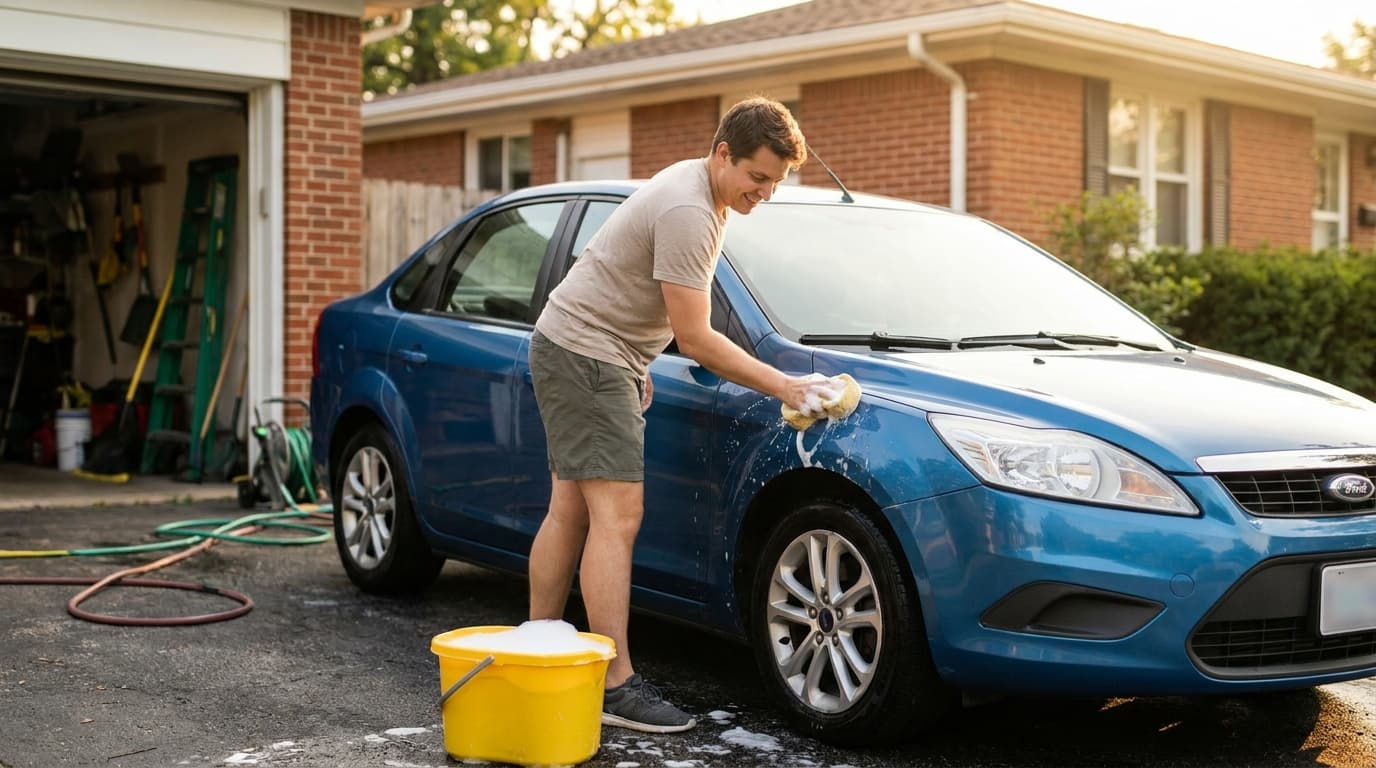
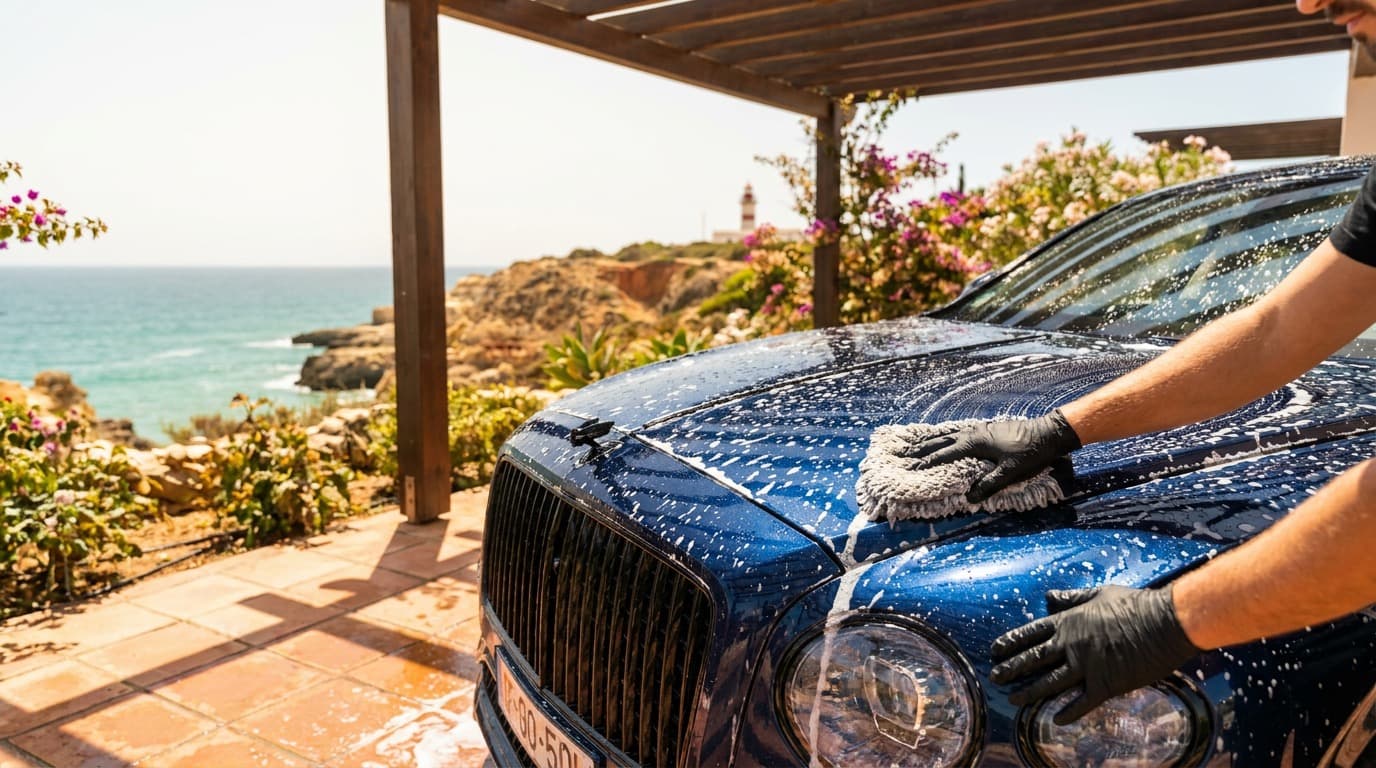
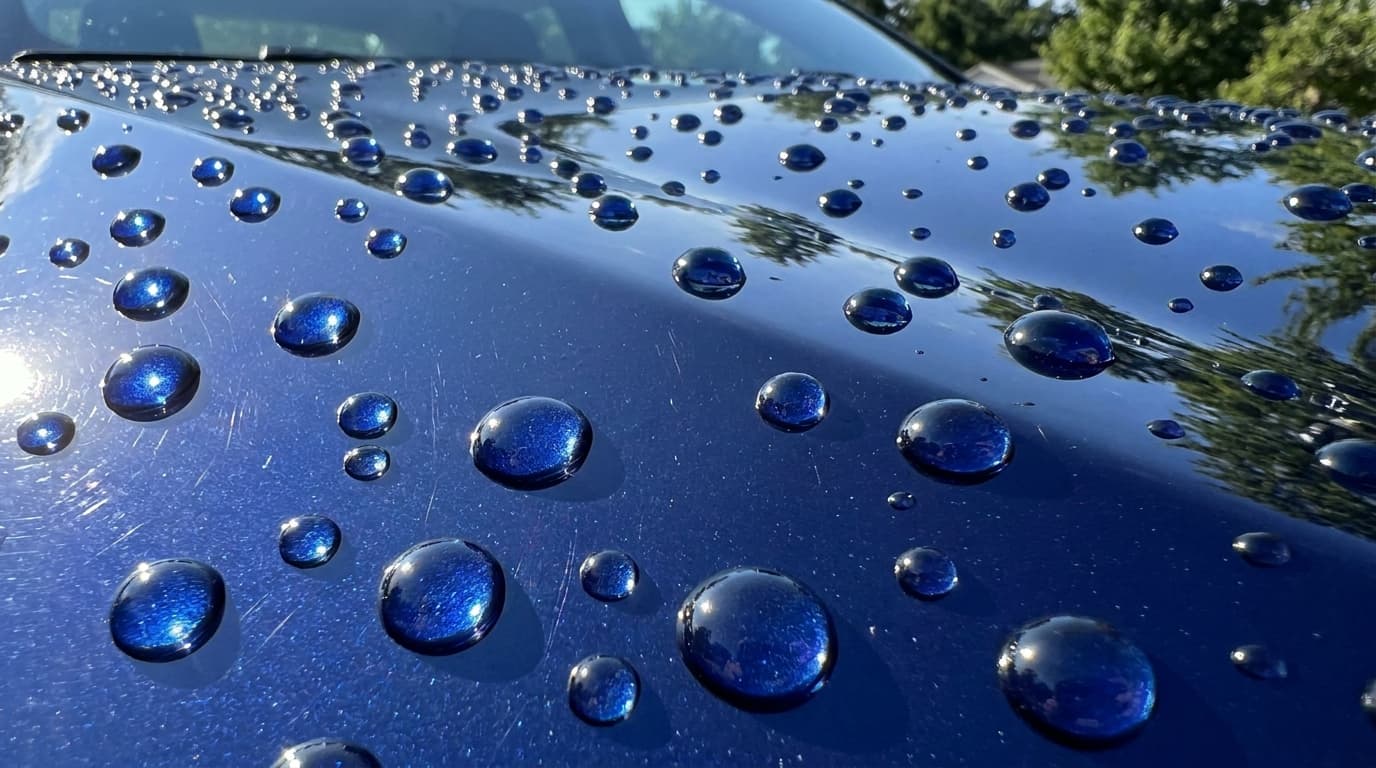
Ever noticed that, in the sun, your car’s paint shows a web of circular scratches? They’re called swirls, and they come from poor washing, rollover machines and the wrong cloths. Paint correction is the process that genuinely removes them — it doesn’t just hide them.
What swirls and marks are
Clear coat is a thin transparent layer over the colour. Tiny scratches in that layer reflect light in every direction, giving that dull, "scratched" look. Most of them sit only in the clear coat — and that’s where correction works.
How it works
- The paint is washed and decontaminated to remove all bonded dirt
- With a polishing machine and abrasives, a microscopic layer of clear coat is removed
- This levels the scratches, instead of covering them temporarily
- Protection is applied to seal the paint at its best
Correction vs. cover-up wax
Shop waxes and "polishes" fill scratches for a few weeks and then they’re back. Correction removes them permanently (until they’re scratched again). It’s the difference between make-up and treatment.
When you need correction
If the paint is dull, full of swirls in the sun, or you’re about to apply a ceramic coating, it’s worth correcting first. There’s no point sealing imperfections under protection that will last for years.
An important warning
Clear coat is thin and finite — over-correcting or using the wrong technique can damage it. That’s why paint correction should be done by someone who can judge the thickness and choose the right step for each car.
Related service
Paint Correction
We remove scratches and swirls and bring back a deep, mirror-like shine.